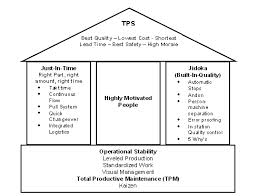
A popular concept in Lean is standard work. Taiichi Ohno once said “Where there is no standard, there can be no Kaizen”. We tend to think of this as looking for the best way to do something, documenting that standard, creating some type of visual control (posting the process maybe) and then enforcing that standard.
I’ve been re-reading the Toyota Kata book this week and found an interesting quote on the subject:
A popular concept is that we can utilize standards to maintain a process condition (Figure 1-3). However, it is generally not possible simply to maintain a level of process performance. A process will tend to erode no matter what, even if a standard is defined, explained to everyone, and posted. This is not because of poor discipline by workers (as many of us may believe), but due to interaction effects and entropy, which says than any organized process naturally tends to decline to a chaotic state if we leave it alone. The point is that a process is either slipping back or being improved, and the best and perhaps only way to prevent slipping back is to keep trying to move forward, even if only in small steps.
This is a fresh look at the idea of “standard work”. In order to create a standard, we need to be working toward improving the process. This way our process is constantly evolving and therefore people will more likely follow the standard. If we try to nail down a standard then just tell people to follow it, it will eventually erode and when you revisit that process later, you will find the standard has faded and people are not following the standard any longer.
